
Day 1 · Field Station · Dhun, Rajasthan
Where Is Your Nose? What a Community Chooses to Remember
Published · 4 min read
In this entry
The well behind the question
Where is your nose? It sounds like a question with an obvious answer. This morning at Field Station, here at Dhun in Rajasthan, Dhun's founder, Manvendra Singh Shekhawat, told us a story about his brother's wedding in Jaisalmer. When the bride's family asked his brother that question, he took it literally. People laughed. The answer they were looking for, Manvendra explained, was the well his ancestors had helped dig.
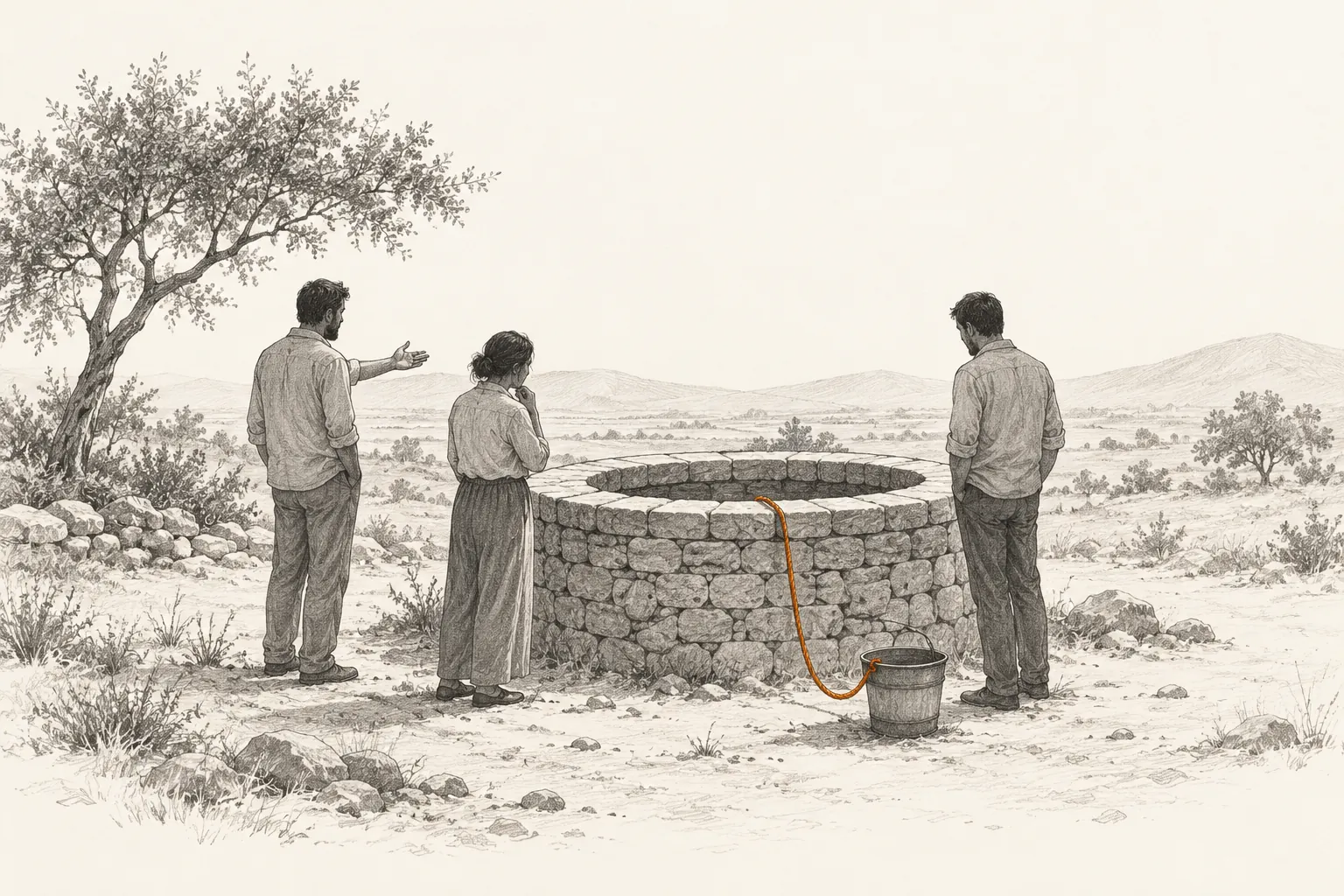
In his telling, digging a well in the desert demanded resources, effort and real risk. The contribution helped sustain a community, and the honour attached to it could outlive the people who made it. I'm recounting his account here; I haven't independently verified the custom's reach or history. But the question it raises is striking: what does a community choose to remember about a person?
What I hear in that story is an answer rooted in something others could use. Your family's contribution had become part of the landscape and part of the community's memory. The well connected an act in the past to people living in the present. Recognition was attached to a shared resource, and the story of that resource helped carry the recognition forward.
How contribution becomes collective memory
Different cultures have developed their own ways of organizing the work that shared resources require. UNESCO's account of Bali's subak system describes irrigation networks supported by cooperation and consensus-based decisions about water distribution. The canals matter, but so do the relationships and practices through which people coordinate their use. A physical system continues to function through a social one.
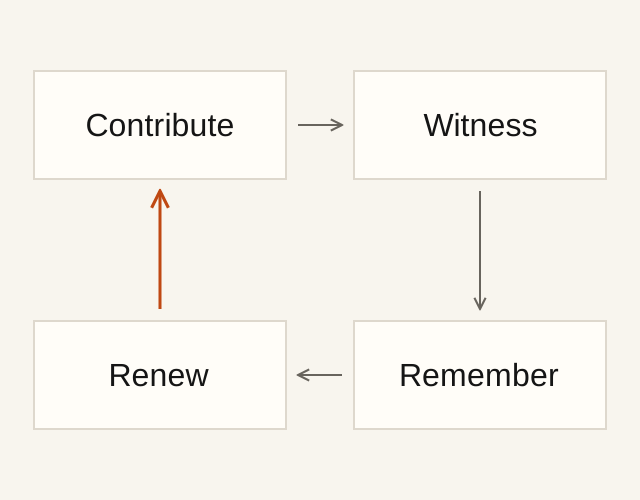
In Peru, the Q'eswachaka bridge offers another perspective. A periodic report hosted by UNESCO describes its annual renewal by four communities, with rope-making knowledge transmitted through families and participation in the work. Here, continuity involves returning to the task. A bridge remembered from the past still needs people in the present who know how to renew it.
These traditions have distinct histories, beliefs and institutions. They invite comparison without becoming interchangeable models. The same report on Q'eswachaka also records concerns about uneven outside support and tensions over communities' roles. That detail matters: a valued tradition can still face difficult questions about fairness. Remembering a contribution is one task; sustaining the relationships around it is another.
The people who keep the well working
Now imagine the well after its builders are gone. Someone notices a damaged rope, someone repairs a mechanism, and someone teaches another person how to care for it. Others organize the work or help resolve an argument about access. These are imagined examples, but they expose a question the original story leaves me with: do we remember the people who maintain a shared resource as readily as those who establish it?
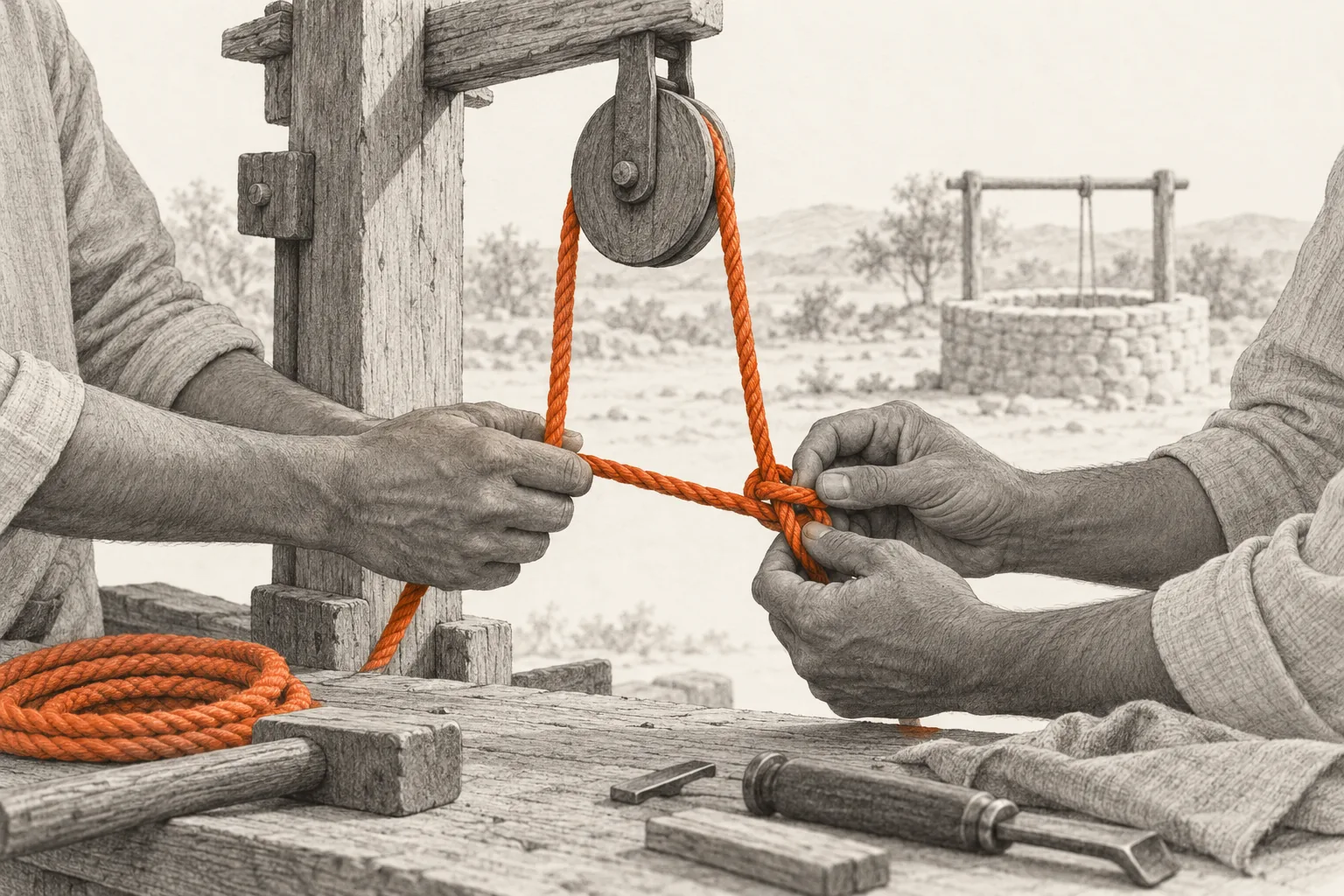
Construction, funding, maintenance, learning and care can make different contributions to the same place. Some leave visible structures; others are easier to overlook. If recognition is meant to encourage service, then what we notice matters. A community has to ask what work it values, whose evidence it listens to, and whether people have a fair opportunity to contribute in ways their circumstances allow.
When recognition becomes power
Manvendra's wider question that morning concerned governance: how can a place preserve its purpose as founders leave, circumstances change and economic pressures grow? He spoke about water resilience and the possibility that successive decisions could gradually erode the commitments behind Dhun. The ancestral well helps explain why contribution might be remembered. It does not settle who should make the next decision about the water.
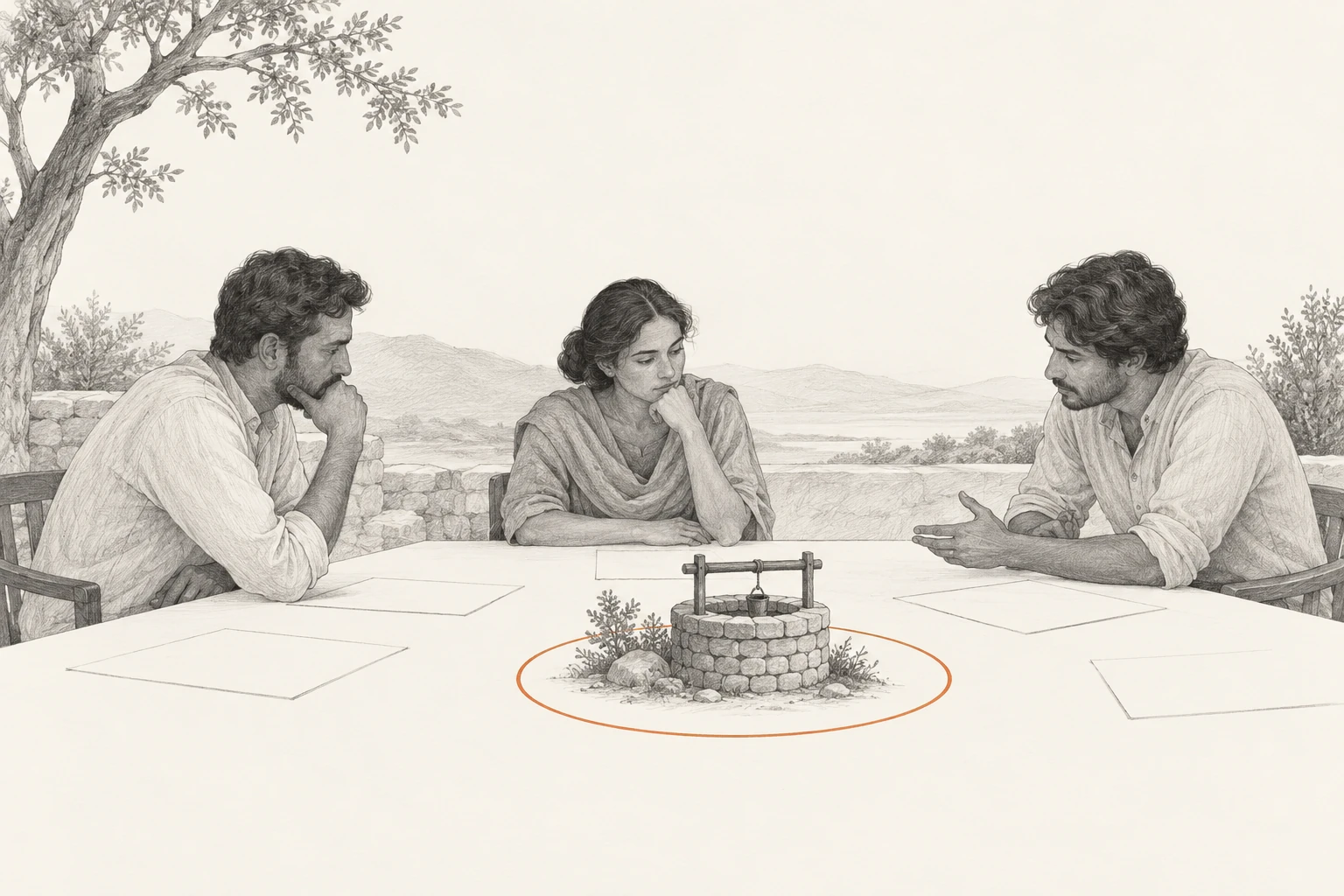
That distinction feels essential. Someone may deserve lasting recognition for helping build a well, while a decision about allocating scarce water still requires relevant knowledge, accountable procedures and a way to challenge mistakes. Remembering an ancestor's service does not establish a descendant's present competence. Contribution, reputation, authority and economic entitlement are connected questions, but each needs its own justification.
This connects with questions I've been working on through The Internet of Value. Value Capture concerns activity and evidence; Wellbecoming concerns human experience and performance; SAOcommons provides community validation across learning, earning and organization-building; Wellbeing Identity carries evolving identity state with controlled disclosure. These distinctions help me frame the problem. They do not, by themselves, establish fair rules for a settlement or resolve its disagreements.
The same care should apply to wellbeing. I would want a community to understand whether participation supports people's lives, without turning private wellbeing information into a rank that automatically decides belonging or power. I keep returning to the well because it holds both memory and responsibility. Where is your nose? Perhaps the next question is: what are you helping to keep alive—and how will others be able to carry it forward?