
Day 0 · Field Station · Dhun, Rajasthan
The Missing Rungs of Parallel Societies
Published · 4 min read
In this entry
The appeal of parallel societies
What if the future of civilization isn't one global society, but thousands of parallel societies? And what happens when they need to interact? I'm at Dhun, Rajasthan, for Field Station, an eight-day experiment curated by Zu-Grama × Logos, bringing together people exploring alternative ways of building, organizing and coordinating society. One idea that caught my attention was the possibility of communities building systems of their own.
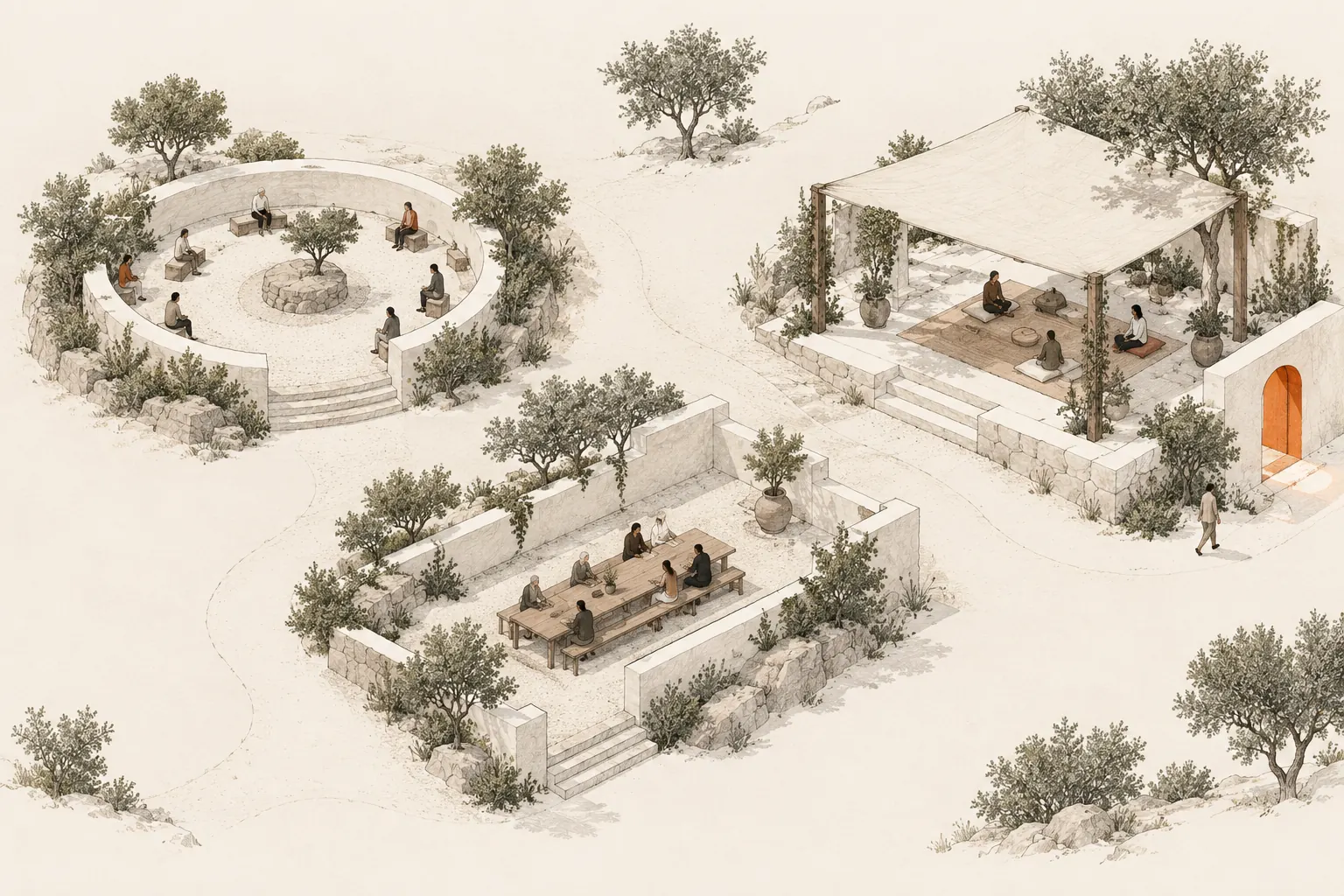
The premise, as I understand it, is provocative. What if our existing institutions for education, healthcare, finance and governance aren't the only possible ways to organize human life? Instead of waiting for those institutions to change, communities could build alternatives with different rules, governance structures, economic systems and definitions of value. I find that fascinating, but it also leaves me with a question about what happens between them.
Parallel does not mean isolated
Imagine Community A has its own economic system, Community B operates under entirely different rules, and Community C has developed its own identity, reputation and governance mechanisms. What happens when someone from A wants to collaborate with someone from B, or exchange value with C? Who establishes trust, how is value represented, and what happens when the systems disagree?
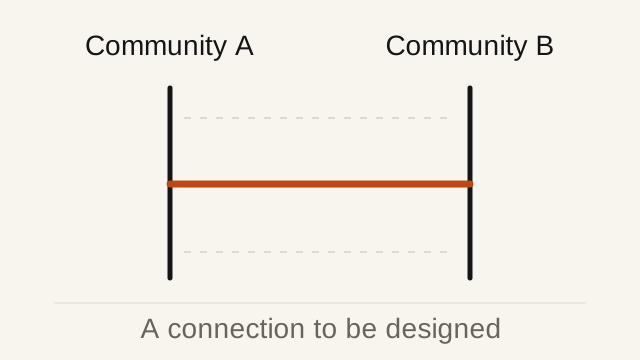
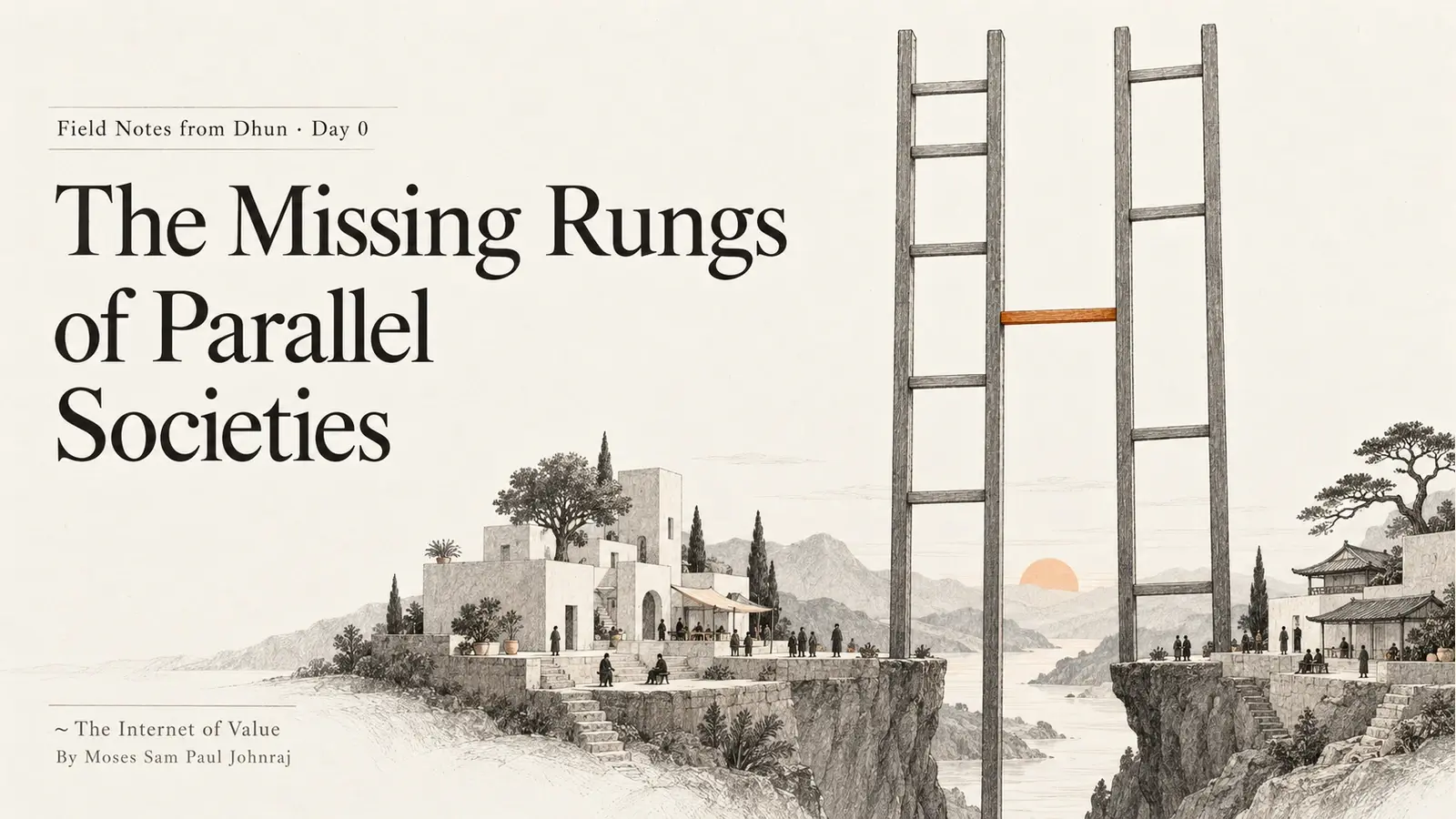
Building independent societies creates another coordination problem, and perhaps a category of infrastructure we haven't thought enough about: the missing rungs of parallel societies. Think of a ladder, with two parallel rails connected by horizontal rungs. Without those rungs, you have two independent structures; with them, you create the possibility of movement. The connection matters as much as the structures it joins.
An ancient metaphor makes this even more interesting. In Genesis 28:12, Jacob dreams of a ladder connecting earth and heaven, with angels ascending and descending between the two realms. Our challenge is connecting human systems that may not even agree on what constitutes value. The image stays with me because it gives the space between different worlds a structure.
What shared protocols might make possible
That's where I've been thinking about The Internet of Value: as a possible framework for coordination between independent systems. Could shared protocols help those systems discover one another, collaborate and exchange value while retaining their own ways of organizing? This is a question I'm bringing to IoV, rather than a capability I can simply assume it already provides.
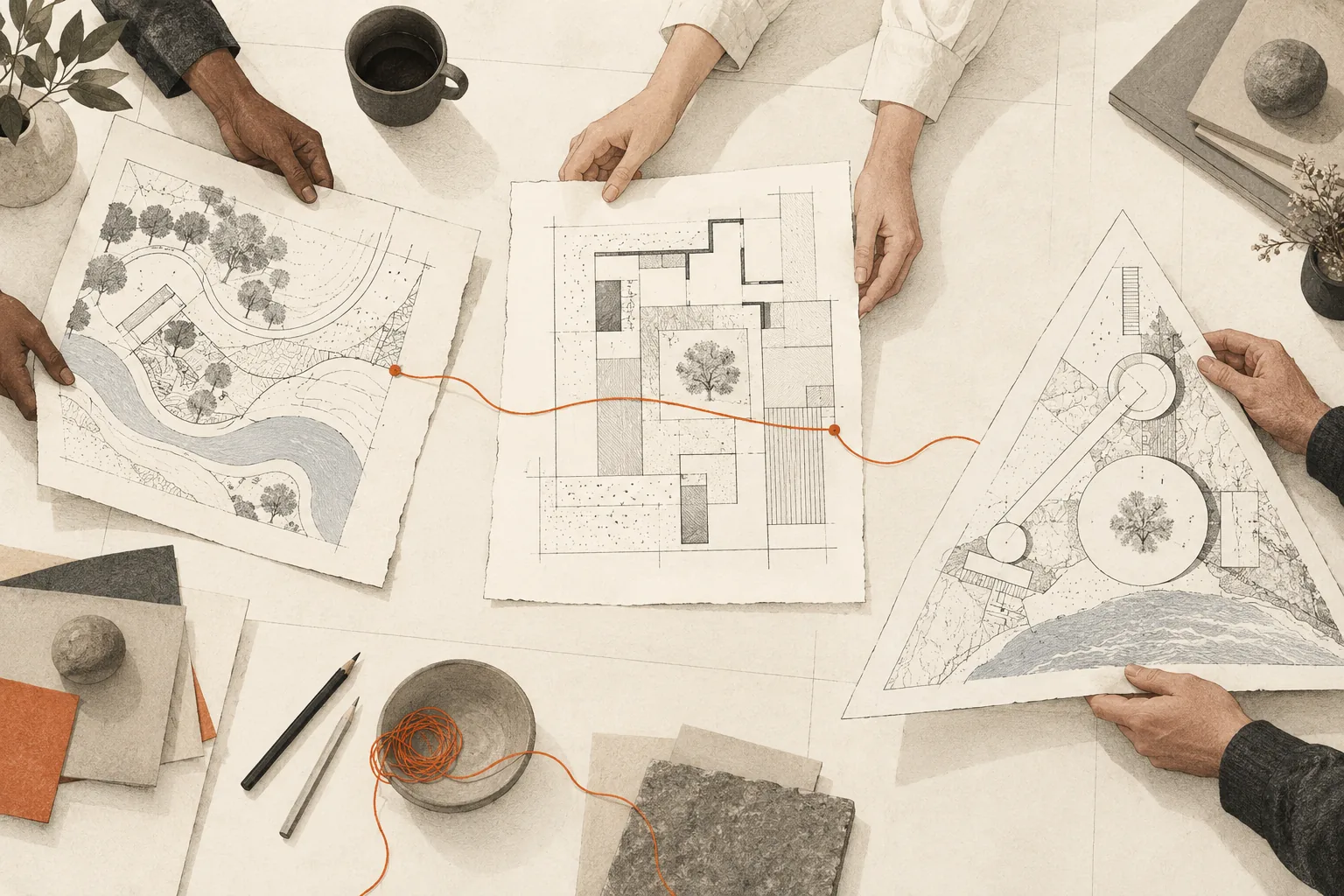
The Internet's shared protocols offer a useful analogy: exchanging information doesn't require everyone to use the same computer or network. Could we develop analogous ways to exchange value without requiring everyone to belong to the same economic or institutional system? The analogy helps me frame the problem, although value carries questions of judgment, meaning and legitimacy that a connection alone cannot settle.
Interoperability isn't the same as trust. A shared protocol doesn't automatically resolve differences in identity, reputation, governance, privacy or what each community considers valuable. Connecting systems is harder than drawing lines between them. Any architecture would need to make those disagreements explicit and work through how they are handled, rather than treating a successful exchange of messages as a complete answer.
Connection without a new centre of power
There's a deeper paradox here. If the infrastructure connecting independent societies becomes a central authority, have we simply rebuilt the system we were trying to escape? Perhaps the challenge is to standardize how systems communicate, without standardizing how societies must live. The connecting structure would have to preserve the independence that made these alternatives worth building in the first place.
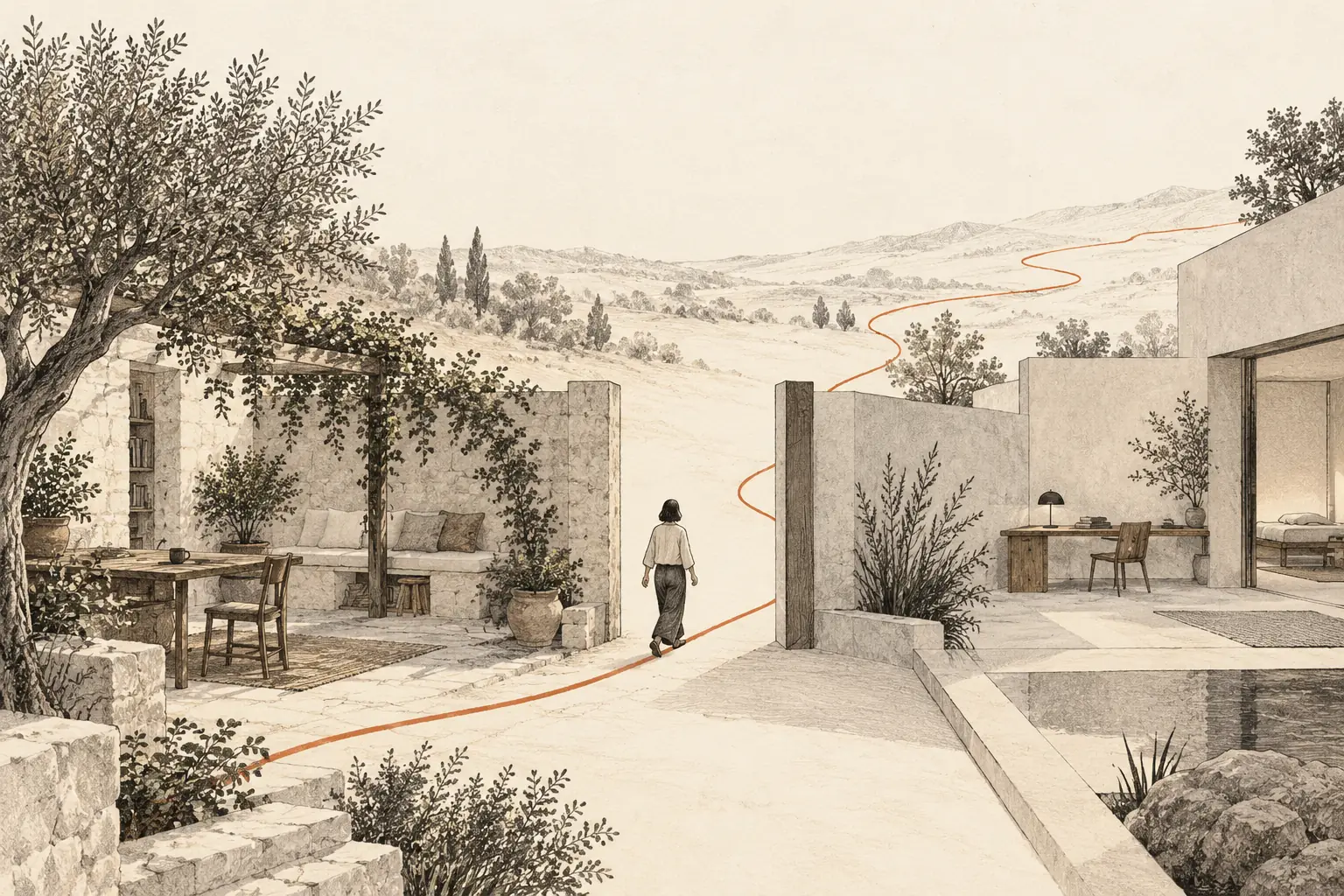
Different communities and institutions already coexist under different rules, so the question isn't only whether parallel societies will exist. It's how much meaningful coordination becomes possible between them. A network's possibilities depend on the relationships people can establish, and those relationships require more than connectivity: trust, incentives, shared understanding and ways to resolve disagreements all matter.
I'm still exploring what this means architecturally for IoV, and which capabilities need to be built rather than assumed. But Field Station has given me a new way to think about the problem I've been working on for seven years: What good is the freedom to build an alternative society if you lose the freedom to leave it? Perhaps the most important infrastructure of the future won't be the societies we build. It'll be the freedom to move between them.